
Hi, we are Ludwig
The English writing enhancement platform loved by millions of users worldwide!
If you love this article as much as we do it means our vibes definitely match. Take a look at our powerful tools and become the pro writer you can be ✨
Have you ever dreamed of living in a different reality? Imagine making potions with Harry Potter, flying dragons with Daenerys, or slaying demons with Dean Winchester. What if I told you that some people claim they can do this every day?

It is called shifting. Shifting usually refers to the experience of moving consciousness or perception from your reality, usually called the current reality (CR), to a desired reality (DR). Shifting is linked to the multiverse theory, which posits that every decision or action we make moves us into a new reality, and every other possible decision or action creates an alternate reality. By this logic, countless different realities exist simultaneously: in one, you might never have left that friend; in another, you moved to a different country or became famous; in a different one, you might even be taking the same literary course as Rory Gilmore. The possibilities are infinite.

Shifting has been around for a while, but it has only recently become popular thanks to TikTok. Currently, there are over 70 million posts on TikTok about reality shifting. Many people are interested in learning how to do it. While it’s not easy, TikTok and Reddit are full of tips, tutorials, and instructions.
Practitioners of shifting say there are a few rules you need to know before trying it:
-
It may be helpful, though not necessary, to create a script describing the reality you want to go to before you attempt shifting. This can be done either on a piece of paper or by visualizing it in your mind. Consider all the details that are important to you: who you are, your name, age, who your partners are, what you do there, what kind of family you have, what your talents are, etc. Other important details to include might be how time passes in your desired reality, such as how long an hour is compared to your current reality.
-
People also recommend creating a “safe” word that will help you leave the desired reality immediately when needed. Additionally, it's wise to add some safety information to your script. For example, if you are shifting into a violent reality with monsters or fights, you might include details like having a high pain tolerance, being unable to get hurt, or ensuring you can't die. Also, from my understanding, if you were to die in your desired reality, you would simply “wake up” in your current one.
-
Learn your methods. There are numerous methods to explore for reality shifting. The primary distinction lies between awake methods, where you stay conscious and focus on controlling your thoughts and body position, and sleeping methods, where you start with visualization exercises before falling asleep and then waking up in the desired reality. Recommendations vary among practitioners, and some methods are adaptable for both awake and sleep scenarios.
-
You can also incorporate various subliminals to better your shifting experience. Subliminals include different elements such as background sounds, music, or specific noises that can help you activate your brain during the shifting process. These could be music from your desired reality, nature sounds, white noise just to aid concentration, or even some aromatic oils.

How exactly does it happen?
This is a commonly asked question. Practitioners often notice distinct changes in perception, where the environment may subtly or dramatically shift. Some report a sensation similar to falling asleep or seeing blurry white visions. Symptoms vary widely among individuals; some experience no noticeable symptoms and still successfully shift. Common symptoms of shifting include numbness, tingling, twitching, increased heart rate, a sensation of floating, and perceiving sounds or smell from the desired reality.
Ok, let's talk seriously
While many people believe in reality shifting, there is no scientific explanation for traveling through different universes and realities. However, there is no denying that many people of various ages and locations experience something similar, and it raises intriguing questions. There are several possible interpretations of what this phenomenon might actually be.

Lucid dreaming
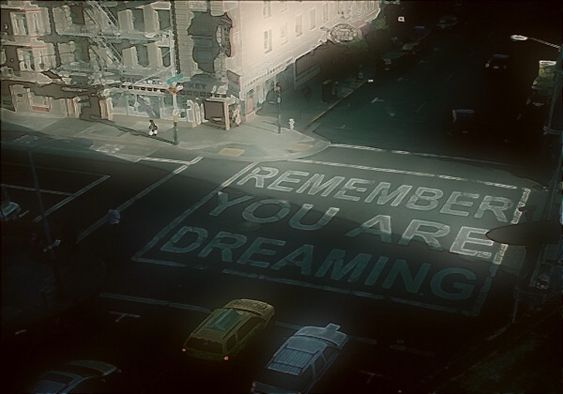
Lucid dreaming is a state in which a person is aware that they are dreaming. This awareness allows them to have some degree of control over their actions and the dream environment. For example, they can change locations, fly, or interact with specific individuals. Lucid dreaming is relatively rare, and the experiences that unfold in this state often feel vivid and real.
Maladaptive daydreaming
Maladaptive daydreaming refers to a condition where individuals excessively daydream to the extent that it can disrupt their daily lives. It may appear as though a person is simply sitting on their bed or walking down the street, but in their mind, they are imagining real-life scenarios, conversations, and interactions with various people. Those experiencing maladaptive daydreaming often have vivid imaginations, to the point that it can be confused with real memories and even difficult to stop because of the sense of security and control it provides. While it can serve as a coping mechanism or an escape from reality, it can also lead to stress and functional impairments.

Altered states of consciousness
Altered states of consciousness refer to mental states that deviate from the “normal” waking state. This can encompass experiences such as self-hypnosis, drug-induced states, or intense emotions that modify perception and awareness. The term is often considered problematic due to its association with mental illnesses. When applied to individuals who practice reality shifting, it can inadvertently perpetuate stigma by suggesting this connection. It's important to approach these discussions with sensitivity and avoid generalizations that could reproduce stereotypes and misconceptions.
Why do people do this?
Escapism: Some people use reality shifting as a way to temporarily escape their current reality, which may be stressful, mundane, or unfulfilling. By shifting into an alternate reality, they may experience different circumstances, relationships, or environments that provide a sense of relief or satisfaction.
Curiosity: Others are drawn to reality shifting as a form of exploration. This may include curiosity about alternate versions of their lives, fantasy worlds, or even fictional stories or media.
Even though reality shifting has not been proven by science, we cannot dismiss the significant number of people worldwide who report experiencing similar sensations and engaging in this practice. Whether you believe in it or not is a personal choice. However, despite numerous positive testimonials from practitioners and the fact that they do not harm anyone, except perhaps themselves, it's essential to consider the implications.
I can imagine the allure of never wanting to leave a desired reality where you can have everything you want. If you experience these feelings and believe reality shifting could benefit you, I urge you to seek some help and advice first. Speaking with friends, family, or a mental health professional can provide support and guidance to make informed decisions about your well-being.
Take care ♥